
Why “Customizable Manufacturing Capability” Matters More Than “Lowest Quote”
As Vietnam, Mexico and Thailand accelerate diversion, XIAOLI responds to dual uncertainty in origin and specifications with flexible OEM/ODM supply
From 2025 to 2026, the most significant structural change in the power tool and outdoor power equipment industry is not on the product side, but in the geographic distribution of manufacturing bases. Driven by U.S. tariff policy toward China, a diversion pattern across Vietnam, Thailand and Mexico has begun to take shape, with leading complete-unit manufacturers moving part of their U.S.-bound capacity abroad. But the scale of relocation itself sends another signal: the completeness and responsiveness of China’s supply chain remain difficult to fully replace—in 2025, China’s garden tool exports accounted for 62.3% of global trade value, while diverted orders represented only 4.2% of total export volume.
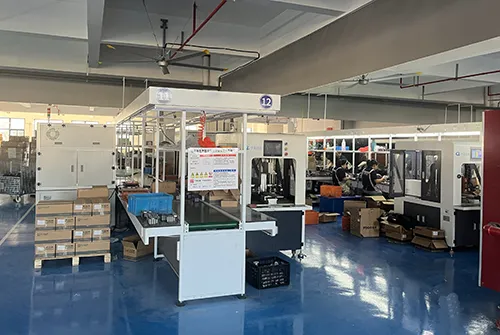
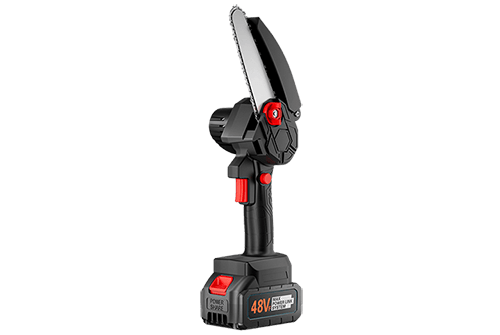
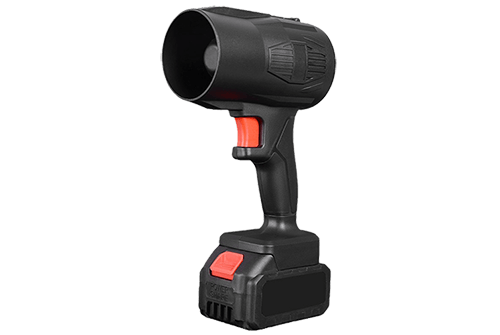
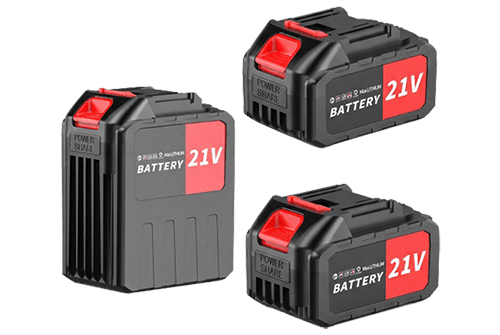
For mid-sized B2B buyers, relocating origin is a high-capital, long-decision-cycle move. The more realistic risk is that changing origin often brings mold redevelopment, re-certification and quality consistency fluctuations. XIAOLI’s OEM/ODM model is designed precisely for this pain point: clients do not need to build their own production lines or redevelop products, but instead adjust specifications and brand existing, validated 21V platforms. Specifically, chainsaw guide bar length, blower air volume settings, pruning shear cutting diameter and battery pack capacity can all be adjusted from standard products according to target-market certification requirements and price bands. The product line covers the XL-CH001/CH004 chainsaws, XL-BL002 blower, XL-EPS001 pruning shear and XL-LB5 battery pack, allowing buyers to manage multiple SKUs through one supplier relationship and reducing the management cost of coordinating multiple origins and factories.
Another dimension of supply chain resilience is specification transparency. XIAOLI clearly lists key parameters such as power, chain speed, air volume, cycle life, dimensions and weight on its product pages—for example, the XL-CH001’s 2000W / 21 m/s, the XL-BL002’s 6.86–9.34 m³/min, and the XL-LB5’s 900–1,000 cycles. In an environment where tariffs and logistics costs remain volatile, suppliers with verifiable parameters and clear customization boundaries help buyers control total cost of ownership better than suppliers competing solely on quote. For importers and brand owners evaluating 2027 procurement plans, incorporating “customization flexibility” and “specification consistency” into supplier scorecards may reflect real supply chain risk more accurately than comparing FOB prices alone.